
What's the best acoustic Guitar for Percussive PLaying styles?
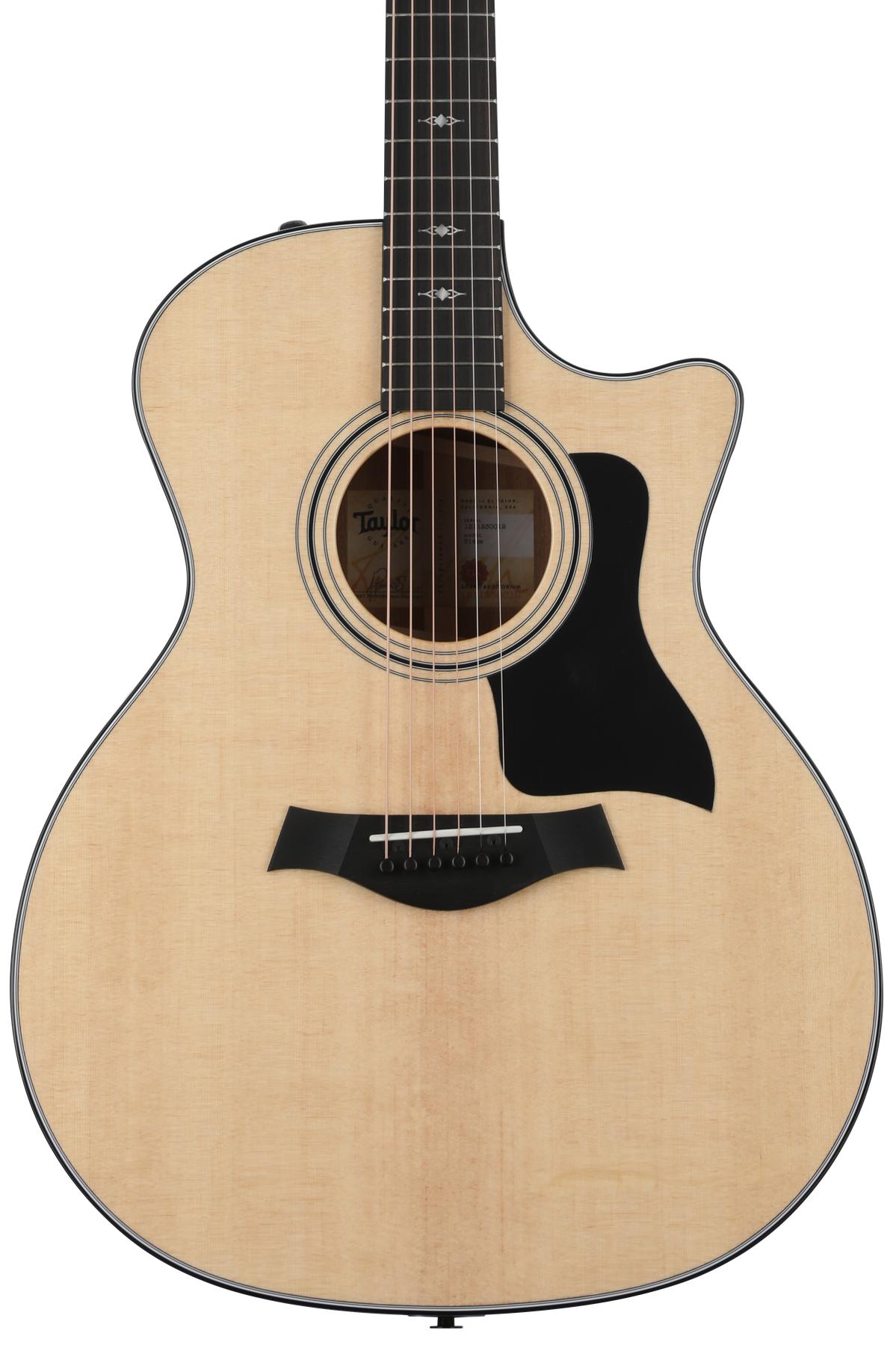
Taylor 314ce
Look for something bright with a little bit of snap in the tone and smaller than a dreadnought. I'd also recommend avoiding Mahogany, and stick with a Spruce/Rosewood combination. Sapele would be okay too. Predictably, this will be one of the Taylor Grand Auditorium or concert models, in which case the series number will be dictated by your budget. Shoot for the 314ce, if you can swing the price tag. If not, the 214ce and 114ce are still great acoustics for percussive styles.

The best acoustic guitars for percussive playing styles should be on the brighter side, with more "sparkle" than warmth. They could still handle mellow sounds and strumming, but you need that snare-like "snap" when you hit the strings, and even when you use your hands to hit the body of the guitar. I'd recommend aiming for a concert body style - something smaller than a dreadnought. Since Taylor acoustics have a ton of these, and they're already known for producing a more lively tone, that's a logical place to camp. The 214ce or 314ce are both good options here.
Read more: Best Acoustic Amps Overall
4 Best Acoustic Guitars for Percussive Playing



Taylor 314ce
We'll go with a Sitka Spruce and Sapele tonewood combination, in a grand auditorium body style with a cutaway. The slimmer design and cutaway take away enough mass to give you that brighter and more percussive punch.
- String Type: Steel
- Number of Strings: 6
- Left-/Right-handed: Right-handed
- Body Shape: Grand Auditorium
- Back & Sides Wood: Sapele
- Top Wood: Sitka Spruce
- Finish: Gloss
- Color: Natural
- Body Bracing: V-class Bracing with Relief Rout
- Binding: Black Plastic
- Neck Wood: Tropical Mahogany
- Fingerboard Material: West African Ebony
- Fingerboard Inlay: Gemstone, Italian Acrylic
- Number of Frets: 20
- Scale Length: 25.5"
- Nut Width: 1.75"
- Nut/Saddle Material: Black Graphite/Micarta
- Bridge Material: Ebony
- Tuning Machines: Taylor Nickel, 17:1 ratio
- Electronics: ES2
- Strings: D'Addario XS Coated Phosphor Bronze Light, .012-.053
- Case/Gig Bag: Hardshell Case
- Body Length: 20"
- Body Width: 16"
- Body Depth: 4.62"

Taylor 214ce or 114ce
This is the same rationale as the 314ce. These combine Spruce with Rosewood, which we'd prefer over the Sapele. But overall, the difference between the 114, 214, and 314, will be your budget.
- String Type: Steel
- Number of Strings: 6
- Left-/Right-handed: Right-handed
- Body Shape: Grand Auditorium
- Back & Sides Wood: Indian Rosewood
- Top Wood: Sitka Spruce
- Finish: Satin
- Color: Natural
- Body Bracing: Forward Shifted
- Neck Wood: Tropical Mahogany
- Radius: 15"
- Fingerboard Material: West African Ebony
- Fingerboard Inlay: Italian Acrylic Dots
- Number of Frets: 20
- Scale Length: 25.5"
- Nut Width: 1.6875"
- Nut/Saddle Material: Nubone/Micarta
- Bridge Material: Ebony
- Tuning Machines: Die-cast Chrome
- Electronics: ES-2
- Strings: D'Addario XS Coated Phosphor Bronze Light, .012-.053
- Case/Gig Bag: Gig Bag

Martin GPC-16E
I'm a big fan of the GPC-16E because it's the grand auditorium design, but it's also thinner than most concert acoustics. It's balanced, but gets you the percussive projection you need with the Spruce and Rosewood combination.
- String Type: Steel
- Number of Strings: 6
- Left-/Right-handed: Right-handed
- Body Shape: Grand Performance
- Back & Sides Wood: East Indian Rosewood
- Top Wood: Spruce
- Finish: Gloss Top, Satin Back/Sides
- Color: Natural
- Body Bracing: Sitka Forward-shifted Scalloped X-bracing
- Binding: Antique White
- Neck Wood: Select Hardwood
- Neck Shape: Low Oval
- Radius: 16"
- Fingerboard Material: Ebony
- Fingerboard Inlay: Mother-of-Pearl Dots
- Number of Frets: 20
- Scale Length: 25.4"
- Nut Width: 1.75"
- Nut/Saddle Material: Bone/Tusq
- Bridge Material: Ebony
- Tuning Machines: Nickel Open Gear
- Electronics: Fishman Matrix VT Enhance NT2
- Strings: Martin, .012-.054
- Case Included: Softshell Case

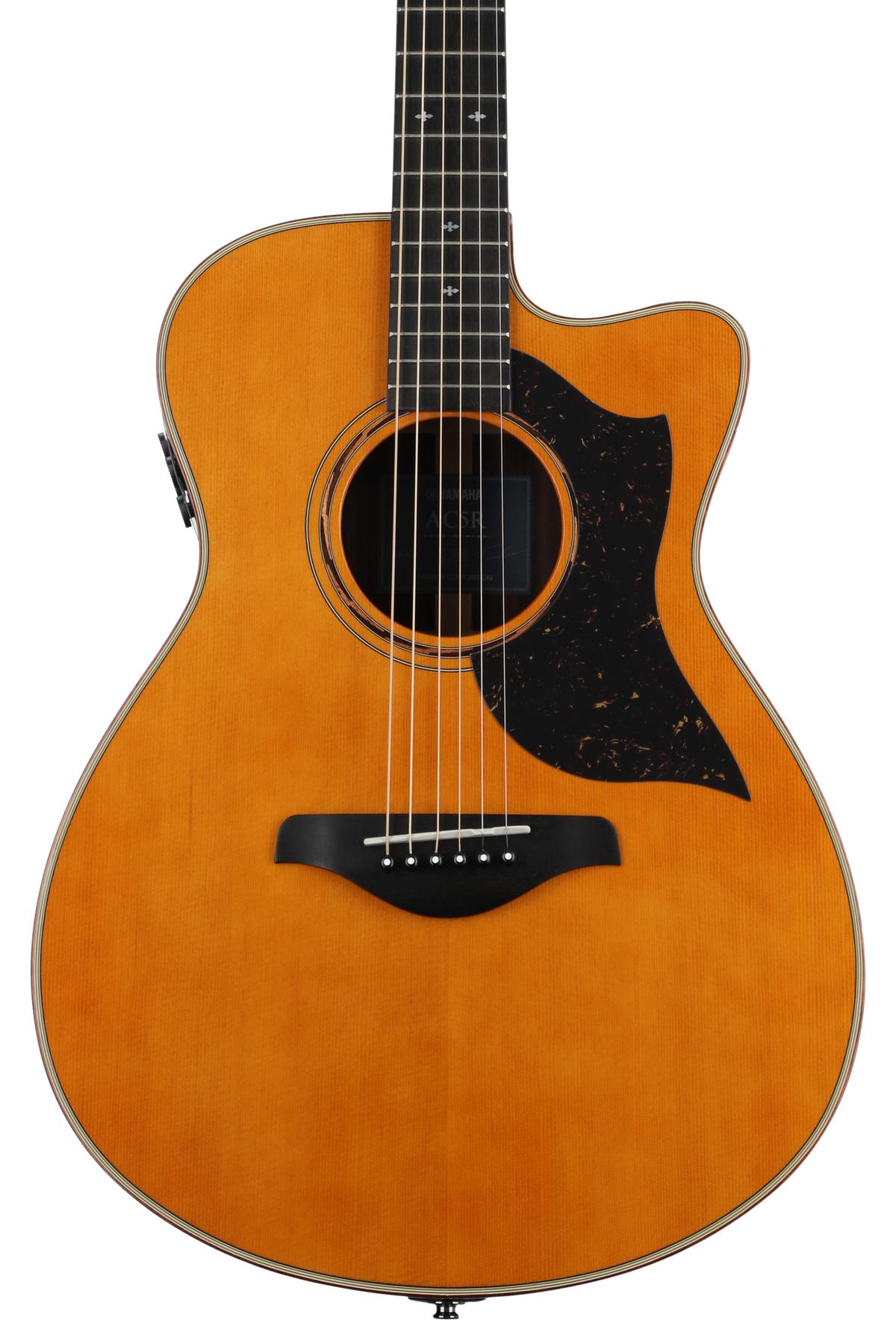
Yamaha AC5R ARE Concert
Yamaha is one of the most underrated acoustic guitar brands out there. This unique take on a concert body/cutaway is a refreshing approach, plus the all-solid Spruce and Rosewood give us the percussive tone we're looking for.
- String Type: Steel
- Number of Strings: 6
- Left-/Right-handed: Right-handed
- Body Shape: Concert Cutaway
- Back & Sides Wood: Solid Rosewood
- Top Wood: Solid Sitka Spruce with A.R.E. treatment
- Finish: Gloss
- Color: Vintage Natural
- Body Bracing: Scalloped Bracing
- Binding: Mahogany
- Neck Wood: African Mahogany
- Neck Shape: Straight Taper
- Radius: 15.75"
- Fingerboard Material: Ebony, rolled edges
- Fingerboard Inlay: Snowflakes
- Number of Frets: 20
- Scale Length: 25.56"
- Nut Width: 1.6875"
- Nut/Saddle Material: Tusq/Tusq
- Bridge Material: Ebony
- Tuning Machines: Gotoh chrome open gear
- Electronics: System 71 SRT2 preamp with SRT piezo pickup
- Strings: Elixir NANOWEB 80/20 Bronze Light
- Case Included: Hardshell case

This is my Taylor 114ce with a soundhole cover. It's a lot more affordable than the 314ce and still sounds fantastic. The solid Spruce top really seems to do it for percussive tones.
Should I avoid dreadnoughts?
Dreadnoughts tend to produce a much warmer and more mellow tone, which is why Martin acoustics are well-known for that sound. These are smoother and not really as "snappy" as the concert-style bodies.
In general, I would recommend avoiding dreadnought acoustics if you want a more percussive tone.
Then again, some people just prefer the warmer and thicker tone, even with a punchier playing style.

Can dreadnoughts work for percussive styles? They can, but they're not our first pick.
Can cheaper acoustics handle a percussive style?
You can go with a cheaper acoustic guitar and still get decent results. Just match it up with the criteria we've already established, at least as much as possible. You'll still want to target Spruce, Rosewood or Sapele, a solid top, a concert or grand auditorium body style, and a brighter tone profile. You can get this in cheaper guitars, but there's certainly an element of quality and individual care that you lose when going from a $2500 guitar to a $500 guitar.
Any questions percussive acoustics?
There are certainly other acoustic guitars out there that can fill this role, but these are from the brands and models that I trust the most, and have the most personal experience with. If you have questions, feel free to reach out via the comments section below.
Price Tracker for the Acoustic Guitars on this Page.
Prices updated Fri, August 21st, 2026.
We link to products on Sweetwater that help support our site and keep the lights on. If you click through our orange buttons, we might earn a commission at no extra cost to you. Thank you all for your generous support over the years! ~ Bobby and Danielle
Our disclosure↬

The People who Build and Manage These Pages


the newsletter
Gear and guitar lesson reviews by real guitar players
We buy, use, test, research, and rate the guitar programs and gear we recommend. Sign up for our mailing list and we'll keep you up to date.
By clicking the "sign up" button, you are consenting to receiving updates about Guitar Chalk and recaps of what we publish. You can unsubscribe at any time.

Comment Policy: You're down to leave a comment? That's awesome. Keep in mind that comments are moderated and rel="nofollow" is in use. Please avoid any spammy keywords or a domain as your name, otherwise your comment will be deleted. Let's stay on topic, keep questions relevant and have a meaningful conversation. All the best.