
About the Author
John Skinner
Jon Skinner is the CEO & Founder of Music Gateway, a global platform empowering musicians, artists, and creatives to succeed. With a background as a DJ and producer, Jon built Music Gateway to bridge the gap between talent and opportunity—offering tools, connections, and career support for the modern music industry. A passionate innovator and champion of indie artists, he’s on a mission to make music careers more accessible, fair, and future-ready.


Right, gather 'round then. Let's have a proper chat about music marketing in 2025, shall we? Because frankly, if you're still waiting to be discovered while busking outside Tottenham Court Road tube station, I've got some rather sobering news for you, mate.
The music landscape's moving faster than a roadie after last orders, and with over 60,000 tracks hitting streaming platforms daily (that's roughly one every 1.4 seconds, if you're keeping score), standing out requires more than just banging out brilliant tunes in your bedroom. You need a proper strategy, and not the kind your mate Dave scribbled on the back of a Rizla packet.
I'm chuffed to share this guide with the Guitar Chalk crew, and massive thanks to Bobby Kittleberger for letting me ramble on about this stuff. Having worked with thousands of artists at Music Gateway, I've seen which strategies work and which ones are about as useful as a chocolate teapot.
The Foundation: Understanding Modern Music Marketing (Or: Why Going Viral Isn't the Point)
Here's the thing about music marketing in 2025: it's not about going viral, it's about not being rubbish at relationships. The most successful artists today get that marketing isn't some grubby afterthought tacked onto their creative process. It's an extension of their artistry, giving punters multiple ways to connect with their work beyond just the music itself.
The big shift we're seeing is from that old "spray and pray" mentality (you know, blast your music at everyone and hope something sticks) to actually giving a toss about who you're talking to. Instead of trying to reach every human being with functioning ears, focus on finding your people and treating them like they matter. Revolutionary stuff, I know.
Setting SMART Goals (Without Being a Boring Corporate Drone)
Before we dive into the fun stuff, let's sort out some proper objectives. And no, "become the next Arctic Monkeys" doesn't count as a goal, tempting as it is.
Use the SMART framework, but make it actually smart:
- Specific: "Gain 1,000 new Spotify followers" not "get massive" (though getting massive is lovely too)
- Measurable: Track actual numbers, streams, followers, email subscribers, and pints bought by new fans
- Achievable: Set targets that won't leave you crying into your cornflakes
- Relevant: Make sure your goals align with your artistic vision (whatever that means)
- Time-bound: Deadlines create urgency, and urgency creates action (allegedly)
Essential Marketing Strategies for 2025 (That Won't Make You Feel Like a Sellout)
1. Build Your Digital Foundation (Your Online Gaff)
Your Website is Your Home Base. Think of your website as your musical squat, the one place online that's completely yours. Social platforms come and go faster than indie bands in Camden, but your website? That's yours, mate. No algorithm can mess with it, no billionaire can buy it and rename it something daft.
Use it to:
- Showcase your story without some computer deciding who sees it
- Collect email addresses (more on this shortly)
- Flog your merch with proper profit margins
- Host your Electronic Press Kit for industry types who still wear suits
Consistent Branding Across Platforms: Try to use the same username everywhere. I know, I know, some muppet already nabbed @YourBandName on Instagram. Life's unfair. Add "music" or "official" if you must, but keep it consistent. It's the difference between being easy to find and being that band people vaguely remember but can never quite Google properly.
2. Master Content Strategy (Without Becoming a Content Zombie)
Quality Over Quantity (Thank God) Right, here's some good news: in 2025, meaningful content beats mindless posting. You don't need to churn out content like some sort of social media sausage factory. One properly crafted acoustic video that shows who you actually are will smash dozens of desperate "look at me" posts into the ground.
Think of it this way: would you rather have 100 followers who genuinely care about your music, or 10,000 who couldn't pick you out of a lineup? Exactly.
The Singles-First Approach (Because Albums Are Massive) We're living in a singles world now, whether we like it or not. People discover music on playlists and TikTok, not by sitting down with your carefully crafted 12-track opus (heartbreaking but true). Release singles every six to eight weeks, keep your audience engaged and give each track room to breathe.
Plus, it helps trick the algorithms into thinking you're relevant. Algorithms love consistency more than your nan loves a good cup of tea.
Short-Form Video Strategy (For Better or Worse) Short-form video is taking over the internet like a particularly aggressive invasive species. By 2025, it'll be nearly 90% of all traffic. This doesn't mean every video needs to go viral; just be consistent and engaging. Think strong hooks, clear calls to action, and maybe don't film everything in portrait mode like you're documenting a crime scene.
3. Streaming Platform Optimization (The New Radio)
Getting Your Music Out There Properly. Before you can optimize anything, you need to actually get your music onto the platforms properly. This is where professional Music Distribution becomes crucial. At Music Gateway, we're a Spotify Preferred Partner, which basically means Spotify thinks we're not completely useless at getting music onto their platform. This partnership ensures your tracks get distributed properly across all major streaming services without the usual headaches.
Spotify Strategy (Because It's Still King)
- Submit to editorial playlists 3-4 weeks before release through Spotify for Artists (not the night before, you muppet)
- Target independent curators using platforms like SubmitHub and Groover
- Create your own themed playlists featuring your music alongside similar artists (sneaky but effective)
- Actually, fill out your artist profile properly, professional photos, compelling bio, links that work
Multi-Platform Approach (Don't Put All Your Eggs in Spotify's Basket) Different platforms, different crowds:
- Apple Music: Often favoured by people who pay for things
- SoundCloud: Still brilliant for electronic music and dodgy remixes
- YouTube Music: Essential for video content and accidental discovery
- Bandcamp: Higher payouts, more artist-friendly terms, and beloved by people who still buy vinyl
Bandcamp deserves a special mention here; it's like the friendly local record shop of the internet. Higher revenue shares, fans who want to support artists, and a platform that doesn't treat music like background noise for makeup tutorials.
4. Social Media Mastery (Without Losing Your Soul)
Platform-Specific Strategies (One Size Fits None) Each platform has its personality, like different pubs in your local area:
- TikTok: Short, catchy hooks that might become trends (or disappear into the void)
- Instagram: High-quality visuals and Stories showcasing your sparkling personality
- YouTube: Longer content like tutorials, performances, and those "behind the scenes" videos everyone claims to love
- Twitter/X: Real-time engagement and industry chatter (plus the occasional meltdown)
Authentic Engagement (Be a Human, Not a Bot): Actually talk to people. Reply to comments like you're having a conversation in a pub, not delivering a press statement. Engage with other artists' content genuinely, support breeds support, and all that.
5. Email Marketing (The Unsexy Hero)
Building an email list is about as glamorous as loading gear into a van, but it's crucial. Email subscribers are your most engaged fans; they've permitted you to slide into their inbox, which is more intimate than most relationships these days.
Effective List Building
- Offer exclusive content like early downloads or acoustic versions
- Share behind-the-scenes access (people love feeling like insiders)
- Create special offers for merch or gig tickets
- Actually tell stories about your creative process (shocking concept, I know)
For the tech bit, Mailchimp offers free plans for smaller lists, so you can start building your email empire without spending your rent money.
The Power of Local Traction: Building Your Foundation Through Live Performance (The Bit Everyone Ignores)
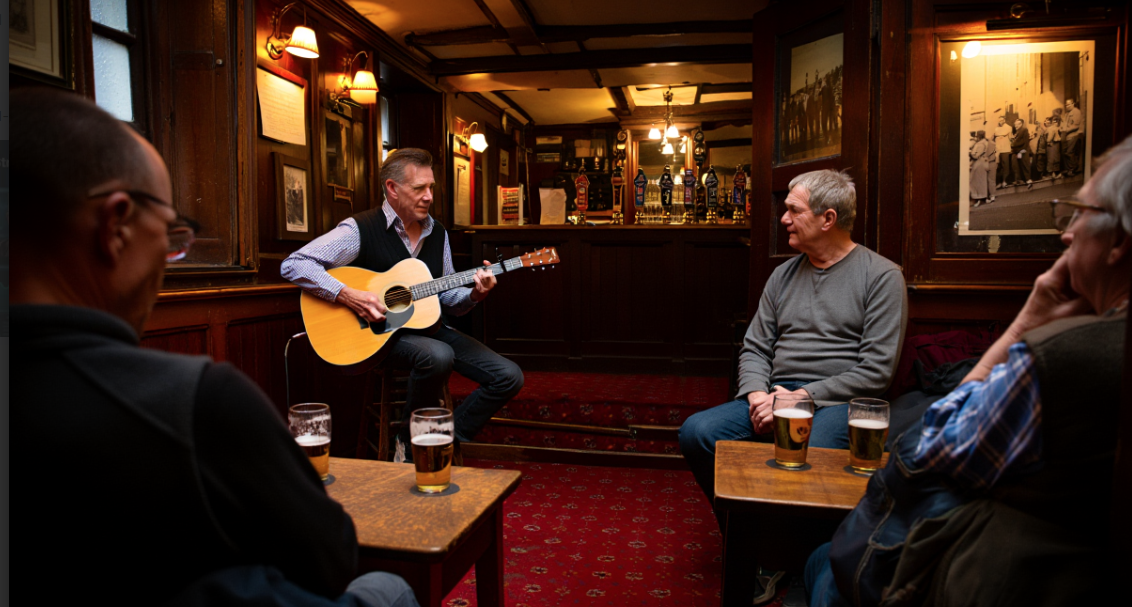
Here's where I'm going to get a bit controversial: while everyone's obsessing over TikTok algorithms, the most important thing you can do as an early-career musician is absolutely smash it locally. I know, I know, local gigs aren't exactly glamorous. But hear me out.
Why Local Matters More Than Your Instagram Follower Count
Real Connections in a Digital World Playing live shows is like the musical equivalent of a proper handshake; it creates connections that streaming simply can't match. When someone sees you perform live, they're not just consuming your music; they're experiencing you as a human being who writes songs and doesn't just exist as a Spotify avatar.
The Compound Effect of Local Building. Don't go gallivanting off to play empty rooms in far-flung cities when you haven't sorted your own manor first. Build your local scene like you're running for mayor:
- Social Proof: Local buzz travels faster than gossip at a house party
- Revenue Foundation: Regular local gigs = steady income = funding for your other schemes
- Content Creation: Every show is content gold for your socials
- Industry Attention: Local success is like catnip to booking agents and promoters
Strategic Approach to Gigging (Not Just Taking Any Old Gig)
Start Small, Think Big. Before you start demanding riders with specific types of hummus, get some proper experience. Offer free sets to local cafés, restaurants, anywhere people gather and might appreciate live music. Use these early gigs to:
- Perfect your stage presence (crucial if you're naturally awkward)
- Test which songs work live (spoiler: it's not always your favourites)
- Build confidence without the pressure of people who've paid to see you
- Create content that doesn't look like it was filmed in your bedroom
Collaboration Over Competition Here's a radical idea: instead of viewing other local artists as competition, treat them like potential mates. Opening for bands with bigger followings is like getting a warm introduction to their entire fanbase. Much more effective than cold-calling strangers on the internet.
Community Integration (Actually Give a Toss) Become a proper part of your local scene:
- Go to other people's gigs (revolutionary, I know)
- Support local venues by promoting their events
- Collaborate on projects beyond just sharing bills
- Don't be that artist who only appears when they're gigging
Maximizing Each Performance (Squeeze Every Drop)
Every Show is a Marketing Opportunity Treat each gig like a small marketing campaign:
- Document Everything: Get someone with a decent camera to capture moments for your socials
- Merchandise Strategy: Punters love taking something home, music, t-shirts, stickers, whatever
- Connect Personally: Talk to people after shows (mind-blowing stuff)
- Cross-Promote: Help the venue promote the gig, and they'll remember you for it
Building Your Live Performance Brand: Figure out what kind of performer you are. Are you the high-energy type who belongs at festivals, or more suited to intimate listening rooms? There's no wrong answer, but knowing your lane helps you book the right gigs and avoid dying on stage at inappropriate venues.
Expanding Beyond Your Home Base (World Domination Begins)
Once you've conquered your local scene (or at least convinced them you're not completely rubbish), use that foundation strategically:
- Regional Tours: Start with nearby cities you can drive to and back in a day
- Festival Applications: Use local success as evidence you're not completely hopeless
- Radio Promotion: Local stations are often more accessible and less cynical
- Press Coverage: Local music blogs provide stepping stones to bigger outlets
Advanced Strategies for Growth (The Fancy Stuff)
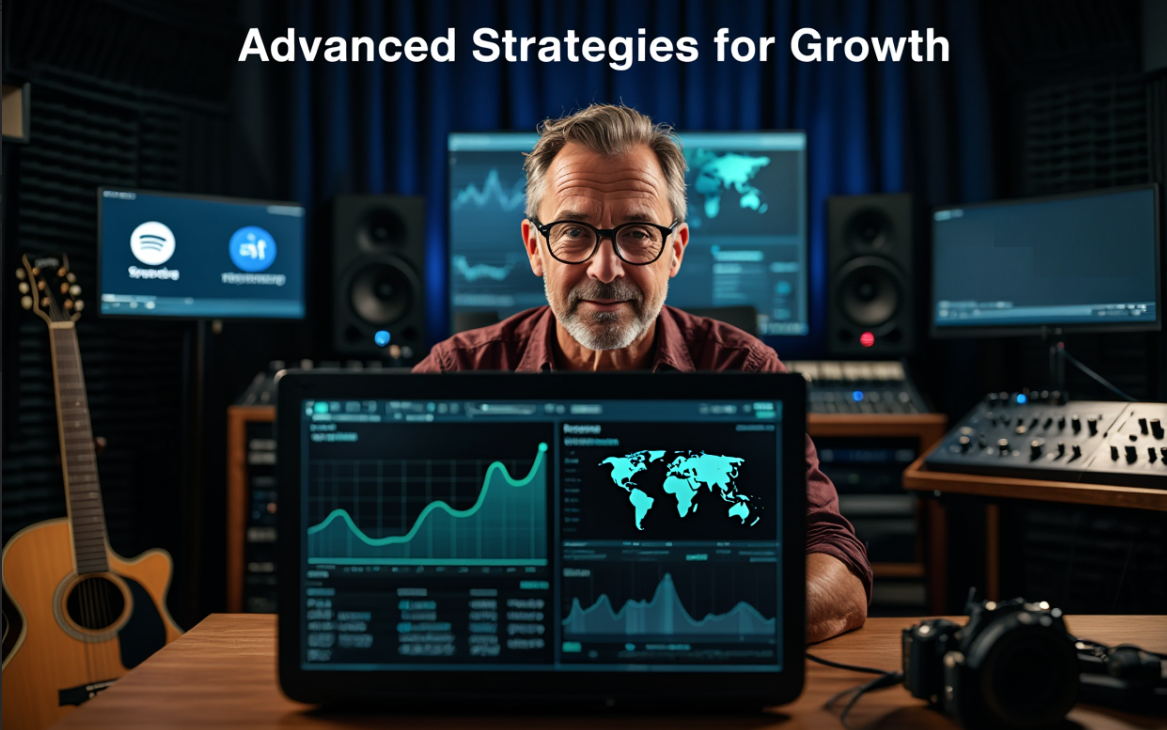
6. Artificial Intelligence and Data-Driven Decisions (Yes, Really)
AI isn't just for making dodgy deepfakes anymore; it's useful for understanding your audience. Use platform analytics to figure out:
- Where your fans live (might not be where you think)
- When they're most likely to be online and receptive
- Which songs make people stick around vs. skip immediately
- Demographics that might surprise you
7. Collaborative Marketing and Networking (Playing Well with Others)
Strategic Partnerships: Reach out to YouTubers, TikTokers, and other content creators and offer your music for their videos. Most creators are constantly hunting for good, royalty-free music that won't get them copyright strikes. You get exposure, they get soundtrack sorted, everyone wins.
Industry Relationship Building (The Long Game) Building industry relationships is like tending a garden; it takes time, and you can't just water it when you need something. Support other artists genuinely, engage with industry folk on social media, attend local music events, and remember that everyone in this business started somewhere.
8. Press Relations and Media Outreach (Still Matters, Apparently)
Even in our AI-dominated hellscape, proper press coverage still matters. Music journalists and bloggers can provide credibility that no amount of social media followers can match. Start by following writers who cover artists in your genre, engage with their content authentically, and when you have actual news (not just "we exist"), reach out with a proper pitch.
9. Paid Advertising Strategy (Throwing Money at the Problem)
When you're ready to spend actual money on promotion, be smart about it:
- Facebook and Instagram Ads: Target people based on musical interests and similar artists
- Spotify Ad Studio: Audio ads for non-premium users (slightly evil but effective)
- YouTube Ads: Target people watching similar artists' videos
- TikTok Ads: Leverage the platform's music-friendly algorithm
Start small, £50-100 budgets, and optimise based on what actually works, not what you think should work.
The Long-Term Mindset (Because This Isn't a Sprint)
Consistency Over Perfection (Thank God)
Focus on showing up consistently rather than creating perfect content every time. Your audience needs to know they can rely on you for regular updates, not sporadic bursts of genius followed by months of radio silence.
Think of it like a good local, you want to be the place people know they can always count on for a decent pint, not the gastropub that's sometimes amazing and sometimes closed for mysterious "renovations."
Building Your Team (You Can't Do Everything)
As you grow, recognise when to bring in reinforcements:
- Social Media Management: When daily posting becomes soul-crushing
- PR and Publicity: For major releases or when you need actual credibility
- Music Promotion Services: When you need expert playlist connections
- Booking Agents: When you're ready to tour beyond your local haunts
Professional Music Promotion Services (When DIY Becomes DI-Why)
There comes a point where doing everything yourself stops being admirable and starts being counterproductive. Professional Music Promotion services can accelerate your growth significantly, assuming you choose wisely.
At Music Gateway, we've seen how proper promotional support can transform an artist's trajectory. Our approach focuses on organic growth through authentic playlist placements, targeted campaigns, and industry connections that matter. We've helped artists land official Spotify editorial spots, grow their following with real humans (not bots), and build the relationships necessary for long-term success.
The key is finding promotion partners who understand your vision and work transparently. Avoid anyone promising overnight success or suspicious follower spikes, sustainable careers are built on authentic engagement, not smoke and mirrors.
Your Next Steps (The Bit Where You Actually Do Something)
Marketing your music successfully in 2025 requires balancing digital savvy with old-school relationship building. The most effective approach combines:
- Strong local presence through live performance and community engagement (the unsexy foundation)
- Consistent digital content that shows your personality, not just your music
- Strategic streaming platform use and playlist cultivation
- Authentic social media engagement (be human, not corporate)
- Email marketing for direct fan communication (using something like Mailchimp to start)
- Professional industry relationships built over time
- Data-driven decisions based on actual analytics, not gut feelings
Remember, every successful artist's journey is different. What worked for your mate's band might be completely wrong for you, so experiment with different strategies, track your results, and adapt based on what resonates with your audience.
The music industry has never been more accessible to independent artists, but that also means the competition is mental. By combining authentic artistry with smart marketing strategies, both local and digital, you can cut through the noise and build something sustainable.
Most importantly, don't lose sight of why you started making music in the first place. The best marketing strategies amplify your authentic voice, they don't mask it with industry bollocks. When your marketing feels like a natural extension of your music and personality, both your artistry and your audience will flourish.
And if all else fails, at least you'll have some good stories for the pub.
Related Articles
Written by Bobby Kittleberger on Guides & Pro Audio
Written by Bobby Kittleberger on Reviews & Pro Audio

Comment Policy: You're down to leave a comment? That's awesome. Keep in mind that comments are moderated and rel="nofollow" is in use. Please avoid any spammy keywords or a domain as your name, otherwise your comment will be deleted. Let's stay on topic, keep questions relevant and have a meaningful conversation. All the best.